
The Future of Medical Equipment Distribution Out of Singapore

From Transit Point to Command Centre Singapore’s role in healthcare supply chains was once straightforward: goods arrived, were stored, and moved on. Efficient, valuable, but essentially logistical. That description no longer fits. Medical equipment distribution Singapore-based operators handle today involves regulatory strategy, quality assurance, technical support, service infrastructure, financing and long-term contract management. The warehouse […]
Behind the Scenes: How Opus Hestia Vets Its Manufacturing Partners

The Question Behind Every Purchase When a hospital buys three hundred beds, they are not really buying beds. They are buying the assurance that a factory two thousand kilometres away, which they will never visit, has done its job properly — and will keep doing it for the next five years of repeat orders and […]
Opus Hestia’s Approach to Quality and Craftsmanship in Healthcare Furniture

The Product That Hides Its Quality Two hospital beds photographed side by side will look nearly identical. Same profile, same rails, same finish, same catalogue description. One will still be in reliable service in twelve years. The other will have corroded rails, a failed actuator and delaminated panels by year five. Nothing in the photograph […]
5 Trends Shaping Medical Device Trade in Asia-Pacific in 2026
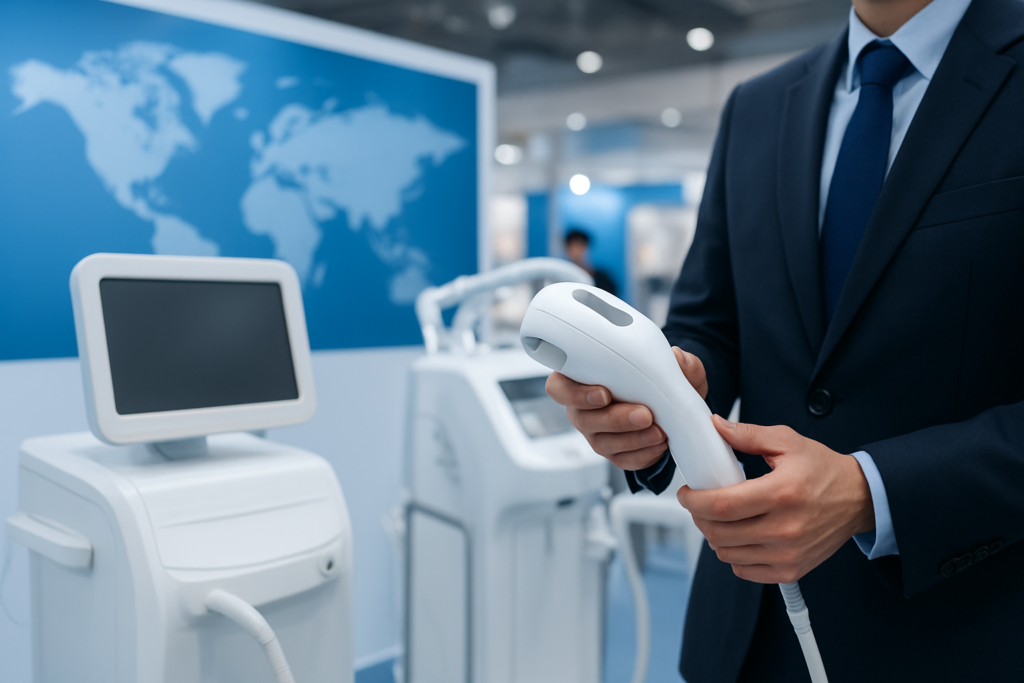
A Market in Structural Change Asia-Pacific has moved from being a growth market for medical devices to being a centre of gravity for the industry. Market analyses now place the region’s medical device sector at roughly USD 140–150 billion, with projections approaching USD 300 billion within a decade at a compound annual growth rate close […]
How Opus Hestia Supports Cross-Border Medical Equipment Compliance

Compliance Is Where Good Deals Go Wrong A container of hospital beds sitting in a bonded warehouse because one certificate names the wrong legal entity is a familiar story in medical equipment trade. So is a tender disqualification over a missing conformity declaration, or a product registration rejected because the technical file referenced a superseded […]
Choosing a Reliable Hospital Furniture Supplier in Southeast Asia

The Decision That Lasts Ten Years Hospital furniture is an unusual purchase. It looks simple, it is bought in bulk, and it is often decided on price. Then it stays in service for a decade, carrying patients every single day, absorbing constant disinfection, and quietly determining how much time your maintenance team spends fixing things. […]
Why Singapore Is a Gateway for Medical Device Distribution in Asia

A Small Country With Outsized Influence Singapore covers roughly 730 square kilometres and has under six million people. By any measure of domestic market size, it should be a minor destination for medical device companies. Instead it is one of the most important nodes in Asian healthcare distribution. A remarkable proportion of medical devices moving […]
Inside Opus Hestia’s Role as Promixco’s Global Trade Partner

What a Trade Partner Actually Does The phrase “global trade partner” appears often in corporate profiles and rarely gets explained. It sounds like a title. In practice it describes a specific set of responsibilities that sit between a manufacturer and its international customers — and whether those responsibilities are handled well determines whether a factory’s […]
5 Standards Singapore Buyers Expect From Hospital Furniture Suppliers

Singapore Buys Differently Anyone who has sold into Singapore’s healthcare sector knows the process has a particular character. The questions are precise. The documentation requests arrive early. The evaluation does not end when the price is agreed — it continues into how the product is delivered, installed, serviced and eventually replaced. This is not bureaucracy […]
How Opus Hestia Bridges Singapore and Bangladesh in Medical Equipment Trade
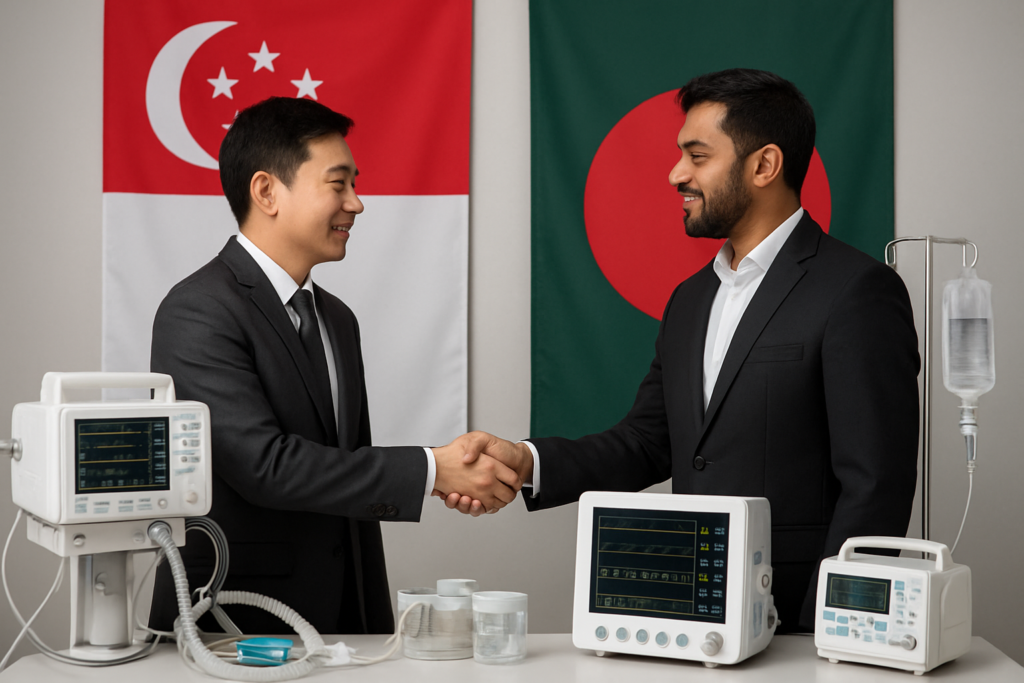
Two Markets, One Supply Chain Healthcare procurement in Asia has changed shape over the past decade. Buyers no longer want the cheapest quotation or the most familiar brand. They want a supplier who can prove where a product was made, how it was tested, what standards it meets, and how quickly a replacement part can […]